
Jon Coffman on Core Values, Practice, and Building a Program That Lasts
Leadership · From Student of the Game
Jon Coffman on Core Values, Practice, and Building a Program That Lasts
Jon Coffman is the head men's basketball coach at Purdue Fort Wayne, and he and Brad Noll go way back. Brad played for the program, has kept close ties as an alum, and helped Jon and his wife find a home when they moved to Fort Wayne. They looked at 32 houses in one day and found the right one in the middle of a stranger's birthday party.
Brad started Student of the Game because almost everything he learned about business came through sports. This conversation shows why. Jon talks about leadership, organization, recruiting, and community in ways that translate directly to anyone running a business or leading a team.
From Finance to a Four-Digit Salary
Jon is in his 26th year of college coaching, but he did not start there. After graduating from Washington and Lee University in 1996 with a degree in economics, he worked in finance in San Francisco for two years. He figured out that he loved the people part of the business more than the business itself.
When his company was bought out, he took a severance package and spent two months in Alaska with his mountain bike, fly rod, and skis. Then he chased a dream inspired by his high school coach, who was, next to his father, the most influential person in his life. He sent out 250 resumes and landed a Division III assistant job paying $5,000 a year.
From there he learned from a series of mentors: organization from one head coach, relentless passion from another, work ethic from a third. Then his staff was let go. A head coach at Fort Wayne gave him a second chance as an assistant, and Jon made a decision that still guides him: treat every job like the job you want for the rest of your life. Three years later he was a Division I head coach.
“I'm not worried about getting the next job. I'm worried about the job I'm in.”
Jon Coffman
Be Intentional and Invest in Relationships
When Brad asks about fundamentals, Jon starts with mindset. Be intentional. Differentiate yourself. Invest in relationships instead of being transactional. Create a platform for fun, promote dreams, and make this the place you want to be. "I'm not worried about getting the next job. I'm worried about the job I'm in," he says.
That shows up in small ways. Jon parks across campus on purpose, and on his walk in he looks at the grounds the way a recruit on a visit would. He picks up trash along the way. If the head coach is picking up trash, he figures, others will either stop dropping it or start picking it up too. He also points to Admiral William McRaven's well-known make your bed speech, which his team studies as part of building its culture.
Brad connects it to business. Too often people are so focused on more clients and bigger clients that they miss the relationships right in front of them. "Everything you need is underneath your feet," Brad says.
Coach Through Core Values, Not Rules
Jon's program runs on four core values: positive mindset, mutual respect, interdependence, and pride. He credits his wife, a 20-year veteran of college coaching, with words he could not improve on, even after researching coaches like Shaka Smart and Tom Izzo.
He learned why values beat rules from his son. Jon had a family rule that everyone tries everything at the dinner table. Then, at a frozen yogurt shop, his three-year-old was sampling flavor after flavor and holding up the line. When Jon told him that was enough, his son quoted the rule right back to him. "If a four-year-old can outsmart a rule, so can adults and young adults," Jon says. Coaching through values, like the respect a player shows when he shows up to class on time, gives people something they believe in.
Those values were tested in a triple overtime game against Cleveland State. After a string of timeouts in a tight finish, his team tied the game with six seconds left and Jon called a timeout his team no longer had. The photo of him with his head down was shown on national television. But his players reached over, touched him, and said, "Coach, next play." His point guard told him he would fix it, then hit a three to force overtime, and the team won in triple overtime. Jon says it was his worst moment as a leader and his greatest, because he saw the culture working.
Organization, Communication, and Practice
Jon believes communication is where you win or lose. As an assistant, he noticed coaches saying they were recruiting players when they were only following them. So as a head coach, he created clear definitions. An evaluation means you have seen a player. Following means you have started the process. Recruiting means you are doing a defined set of actions with that player and family every week.
His practice planning is just as detailed:
- He spends an hour to an hour and a half writing a plan for a two-hour practice, with every detail scripted.
- His staff then meets for 45 minutes to an hour to review it, so everyone knows what to teach.
- Assistants introduce drills and command the room, while Jon watches and adjusts.
- He keeps a pen in his pocket and adds notes to the digital plan for next time.
- Each plan lists three players he will talk with one-on-one that day.
- Alternative drills are ready in case injuries change the numbers.
The same intention applies to phone calls. When you say you are just checking in, Jon says, you are checking a box and wasting everyone's time. Go in with a purpose, get the other person talking, and listen. Brad says he stopped using "just checking in" in his own calls, and he reminds business owners that a business exists to solve a problem.
Wins Beyond the Scoreboard
Jon became the winningest coach in Purdue Fort Wayne history, but the wins he talks about first are different. He has stayed through four contracts and 12 years, so his kids can go through school in one place while their dad coaches Division I basketball. He loves using his relationships to help former players take their next step. He also makes a point of honoring the generations before him, including Brad's father, who coached the program through its move to Division I, and he kept the team creed a previous coach started in 2005.
Fan raising matters, too. Jon built an exciting style of play to turn local fans of bigger schools into Fort Wayne fans. His summer camp donated spots to kids through community organizations, and a team camp brought in 105 teams. Not everyone you meet can help you today, he says, but if every relationship is transactional, people feel it.
How Do You Build a Team When Everything Is Changing?
With name, image, and likeness rules and the transfer portal, college basketball has become more transactional. Jon sees change as an opportunity: you can either give up space or take it. Relationships remain his edge. When his all-time leading scorer had big offers to leave, a four-year relationship and a short conversation with him and his mom helped him decide to stay.
It also starts with recruiting the right staff. Jon met one of his assistants at a junior college event when they were the last two people in the gym. He gave him a card and asked him to add value, not just call when a job opened. For two years he sent recruiting tips and ideas, and when a spot opened, the decision was easy. Jon shares one more lesson from his team's sports psychologist: "You cannot be stressed and appreciative at the same time." He sends his flowers to his parents, two early coaches, and his wife, who he calls his quality control.
▶ Listen to the full episode
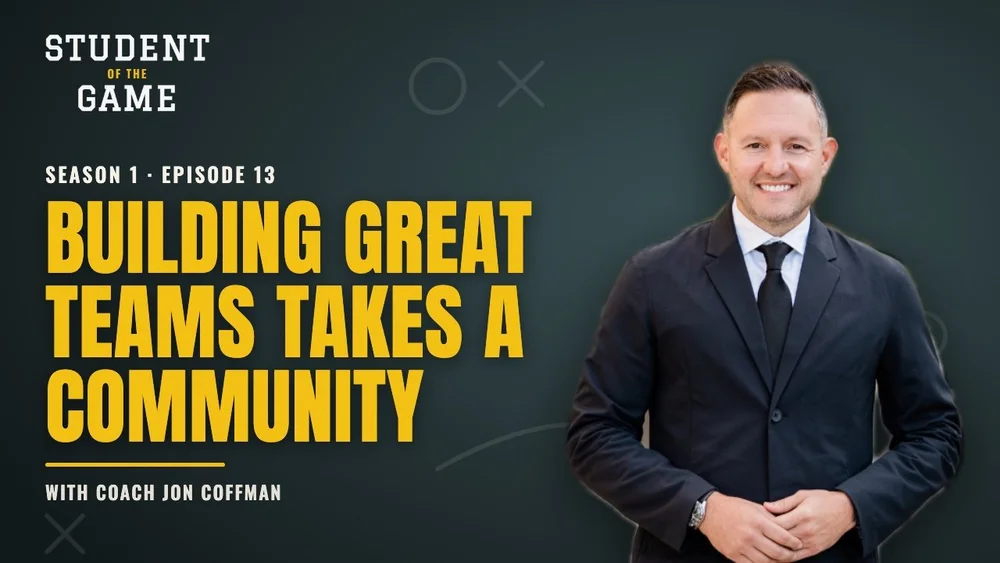
Building Great Teams Takes a Community with Coach Jon Coffman, on Student of the Game.
Work with the Noll Team
Ready to make your move?
Since 2003, Noll Team Real Estate has been helping people in the Fort Wayne area find the freedom to live the lifestyle they want. Tell us where you are headed and we will build the plan around your life.