
Mold, Moisture, and Midwest Homes: What Homeowners Should Know This Summer
There’s a moment almost every Midwest homeowner has experienced. You walk downstairs in the middle of July and notice a faint musty smell in the basement. Maybe the air feels damp. Maybe there’s a small stain near the corner wall. You tell yourself: “It’s probably nothing.” And honestly… sometimes it is. But sometimes that small sign is your home quietly asking for attention before a much bigger issue develops.
Here in Indiana, summer humidity, heavy rains, older foundations, and changing temperatures create the perfect environment for moisture problems in homes. At Noll Team Real Estate, we see it every year during showings, inspections, and conversations with homeowners trying to protect one of their biggest investments.
The challenge is this: Most people don’t know the difference between a normal Midwest home issue and a warning sign they shouldn’t ignore. This blog is here to help you understand the difference.
Your Home Is Talking- Most Homeowners Just Don’t Know the Language
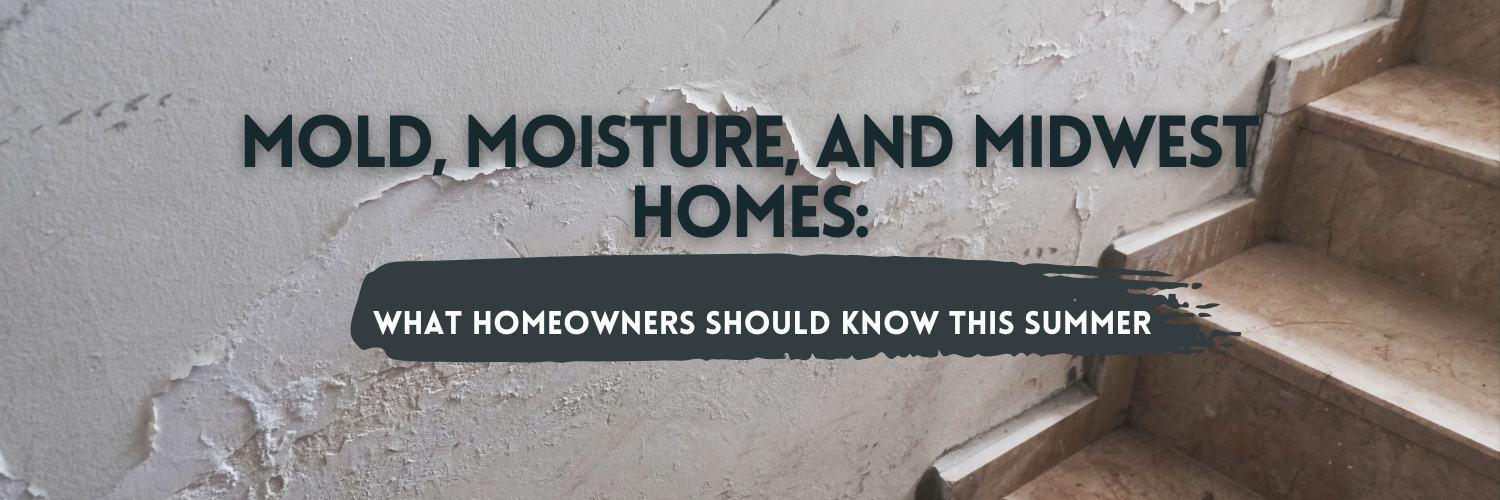
Homes communicate through small signals. A foggy basement window, a damp smell after rain, paint starting to bubble,floors feeling slightly uneven,a dehumidifier constantly running, condensation on pipes.
These signs don’t automatically mean disaster. But they do mean your home is reacting to moisture. And in the Midwest, moisture is one of the biggest long-term threats to a home’s condition, air quality, and resale value.
The Biggest Myth About Mold
When people hear the word “mold,” many immediately picture hazardous situations and massive remediation projects. But here’s the reality:
Mold itself is often not the main problem. Moisture is.
Mold needs three things to grow: moisture, organic material, and time. That means the true issue usually starts long before visible mold appears. A small leak. High humidity. Poor airflow. A crawlspace staying damp for months. The earlier you identify moisture, the easier and cheaper it usually is to address.
Why Midwest Homes Struggle in the Summer
Homes in places like Fort Wayne weren’t built for tropical humidity but some Indiana summers sure feel that way. Warm humid air meets cool basement walls and crawlspaces, creating condensation and trapped moisture. That’s why we often see problems in: Basements, crawlspaces, utility rooms, older foundations, and finished lower levels. Ironically, some of the nicest finished basements can hide issues the longest because drywall and flooring conceal the warning signs.
When You Should Monitor, Not Panic
Not every moisture issue means you need to call a remediation company tomorrow. Sometimes your home simply needs better humidity control and airflow. Homeowners can often:
Run a dehumidifier
Improve ventilation
Check gutters and downspouts
Monitor changes over time
Think of it like your body getting dehydrated during summer heat. A little adjustment early can prevent a much larger problem later.
When It’s Time to Take Action
The danger comes when moisture becomes repetitive and persistent.
Strong musty smells that never go away
Visible spreading mold
Water entering repeatedly after rain
Soft drywall or warped flooring
Standing water
Rotting wood
Sagging floors above crawlspaces
Family members experiencing worsening allergies indoors
Here’s the truth many homeowners need to hear: Ignoring moisture rarely makes it disappear. It usually just makes the repair more expensive later.
The Emotional Side Nobody Talks About
For many homeowners, discovering moisture issues creates fear.
They immediately think:
“Did we ruin the house?”
“Will this destroy our value?”
“What if we want to sell?”
“Will buyers run away?”
But most homes, especially in the Midwest, deal with some level of moisture management over time. The goal isn’t perfection. The goal is stewardship. Well-maintained homes are not homes without issues. They’re homes where owners addressed problems before they became major.
What Buyers Really Think During Showings
One of the fastest ways buyers lose confidence is through smell. A beautifully staged home can instantly create hesitation if buyers notice: Damp air, Heavy humidity, Musty odors, Water staining. Buyers may not always understand the technical issue… but emotionally, they feel uncertainty. And uncertainty slows decisions. That’s why proactive maintenance matters so much in real estate. At Noll Team Real Estate, we often remind sellers: Buyers aren’t just buying a home. They’re buying confidence.
The Good News
Most moisture issues become manageable when homeowners catch them early. A quality dehumidifier, better drainage, gutter maintenance, proper grading, crawlspace encapsulation, iImproved airflow, small steps now can protect your air quality, your foundation, your resale value, and your peace of mind
Final Thoughts
Your home does a lot for your family. It protects your routines, your memories, your rest, and your future investment. This summer, don’t ignore the small signs. Pay attention to the smell in the basement. Check the crawlspace. Monitor humidity levels. Walk around your foundation after heavy rain. Because the best homeowners aren’t the ones with perfect houses. They’re the ones who stay proactive before small issues become major ones. If you ever need guidance on preparing your home for the market, understanding inspection concerns, or navigating repairs before selling,Noll Team Real Estate is here to help you make confident decisions every step of the way.