
College Recruiting Process: A Guide for Student-Athletes
Sports and Coaching · From Student of the Game
College Recruiting Process: A Guide for Student-Athletes
A father tells a consultant his son should be playing at Stanford. The son is a third-string running back at a prep school. The only college watching his practices is a Division III program in Maine. Someone has to tell that family the truth.
Very often, that someone is Dr. Enzley Mitchell, owner of PrepSearch. He has spent nearly two decades guiding families through the college recruiting process. On this episode of Student of the Game, host Brad Noll sits down with an old friend from Fort Wayne, Indiana. By Brad's account, Dr. Mitchell was one of the first players ever to dunk on him.
This post covers what Dr. Mitchell has learned along the way. You'll see why access matters more than a sales pitch, why fit beats prestige, and what families can start doing today. It's written for parents, student-athletes, high school administrators, and any business owner who believes honest advice builds lasting trust.
Key Takeaways
- PrepSearch is an advisory service, not a recruiting service. Dr. Mitchell educates families and never acts as the middleman between athletes and coaches.
- Access is the fundamental. The families who most need recruiting information are often the ones getting the least of it.
- The rules keep changing, so constant research is part of the job. Dr. Mitchell updates his workshop at least six times a year.
- Students and parents rarely want the same things. Good guidance starts by finding out what matters to each of them.
- Starting early changes outcomes. One Chicago school went from zero students using sport to reach college to about 15 a year.
- Unless you're an elite prospect, you don't need a pile of offers. You need one that fits.
“If I've worked with 1200 families in 19 years, the one thing I can tell you is there's 1200 different stories. There's 1200 different pathways. Not one of them was the same.”
Dr. Enzley Mitchell
College Recruiting Consultant vs. Recruiting Service: What's the Difference?
Dr. Mitchell describes himself as an educator, coach, mentor, and advisor. He works the way an independent educational consultant does, but only with athletes. The key difference is what he refuses to sell.
"I've done this for nearly 20 years. I've never signed one person. That's not what I do," he says. He has never called a coach on a family's behalf and doesn't promise placements. Instead, he serves schools, clubs, and organizations through workshops, offers a free app that connects athletes with coaches, and takes on a limited number of families as private clients.
Brad, who works as a real estate broker, sees a clear parallel. A good buyer's agent asks clients what matters before showing a single house. Dr. Mitchell's process works the same way.
The Recruiting Needs Analysis
Dr. Mitchell brought this habit over from his years in banking and finance, where every client relationship began with a needs analysis rather than a pitch. Today, every family starts with a homework assignment: a recruiting needs analysis. By the first call, he already knows where the pain is, what the student wants, and what the family's goals are.
From 75 Schools to Five
Next comes the college list. Dr. Mitchell builds a list of 75 schools, which he admits overwhelms most families. Once they've done their homework, he cuts it to 25, then to five. Brad compares it to buying a home: "buying a home is a process of elimination. It's not a process of selection."
Why Access Is the Fundamental of the College Recruiting Process
When Brad asks what's fundamental to his work, Dr. Mitchell's answer is a single word. "Now I work with everybody, but my passion in getting into this was providing access," he explains. He saw recruiting services taking advantage of families who lacked information or money, and he built PrepSearch to change that.
His app is the clearest example. Now in its fourth version and available on Android and Apple, it has always been free. Many competitors advertise a free profile and then give paying members better access to coaches. Dr. Mitchell got rid of that tier system entirely, and he covers the cost himself.
Brad points out the business lesson here: give more value than you're paid for. The free app gives families a reason to trust PrepSearch long before they become clients.
How NCAA Rule Changes Are Reshaping College Recruiting
Dr. Mitchell says anyone involved in sports over the last 18 months knows the rules have shifted so much that his own business has had to change. He feels for the class of 2027, which includes his daughter.
Brad explains one major change: the NCAA's new "five and five" rule, which gives athletes five years to compete. Some Division I athletes earning revenue share or NIL money will stay an extra year, which fills rosters and leaves fewer spots for incoming freshmen.
Research Behind the Scenes
This is why Dr. Mitchell won't share copies of his workshop, which typically runs 80 to 95 slides over two hours. "In one year, the presentation will change at least six times," he says. When he isn't speaking or meeting with families, he's researching so that nothing he tells people is outdated or wrong.
New Divisions, New Sports, New Pathways
He tracks schools that move between divisions, since each move can open new doors for a student. He also tracks which programs are adding sports, and right now that means flag football and esports. He offers one caution: some schools add sports to support the student experience, while others add them to boost enrollment and tuition revenue.
Finding the Right College Fit for Student-Athletes
Dr. Mitchell's first questions are about priorities: what matters to the student, and what matters to the parents. "Very rarely are they the same," he notes. A student might care most about immediate playing time, a big-time football atmosphere, or a small Christian campus where faith is part of daily life. Parents might want their child close to home. More than half of the students he works with don't yet know what career they want.
Honest Expectations Over Easy Money
That's where the Stanford story comes in. Dr. Mitchell tried to steer the family toward the schools that were already watching their son, but they wouldn't listen. He turned down the work. "I certainly wasn't going to take their money," he says. "I'm not a miracle worker."
"I have to be the voice of reason. I have to be the bearer of bad news, but most parents and guardians appreciate that," he adds.
Brad sees the same pattern in real estate: "when you can be confident in not taking on a new client, that's experience, that's wisdom." Taking on clients with unrealistic expectations takes time away from the people who truly want your help.
The Power of Forced Reflection
Brad shares his own family's experience. His oldest daughter, Bree, wanted to get as far from home as she could. The needs analysis made her answer hard questions from an adult who wasn't mom or dad. Brad credits that "forced reflection" with giving her the clarity to make a decision. Bree now plays golf at Indiana Wesleyan.
Why Starting the Recruiting Process Early Changes Outcomes
Most families reach Dr. Mitchell already behind, often after spending money on a recruiting service that didn't deliver. One Chicago-area school shows what's possible when that doesn't happen. The school built his program into its curriculum, starting with students as they move from eighth grade into ninth.
The results speak for themselves. In the first year, zero students used sport to continue on to college. The next year it was three, then six, nine, and 12, and now about 15. For principals, superintendents, and counselors, that's real data tied to real outcomes. Many of those families might never have sent a child to college otherwise.
You Need One Offer, Not Twenty
Dr. Mitchell closes with a challenge for families who measure success by the number of offers: "If you're not that elite prospect, you don't need 20 or you don't need 10, you need one." The goal is one offer that fits. As he puts it, "You can only go to one place."
Winning at the Game of Life by Learning From Everyone
For Dr. Mitchell, winning means helping as many families as possible. "If I've worked with 1200 families in 19 years, the one thing I can tell you is there's 1200 different stories," he says. Anyone who claims your path fits in a neat box, he warns, isn't being honest with you.
He gives his flowers to two people. The first is his father, now 80, who still asks him the tough questions. The second is Coach OT, the friend who helped him reshape PrepSearch for high schools during a late-night talk on a team trip to Lincoln, Nebraska.
FAQ
What is the difference between a recruiting service and a recruiting consultant?
According to Dr. Enzley Mitchell, recruiting services usually sell marketing packages and paid tiers that promise more exposure to coaches. A consultant like PrepSearch educates and advises families instead. Dr. Mitchell has never signed an athlete or acted as the middleman with a coach.
How are NCAA rule changes affecting the class of 2027?
Under the NCAA's new "five and five" rule, athletes get five years to compete, so some Division I players are staying an extra year. That fills rosters and makes recruiting harder for incoming freshmen. Dr. Mitchell says the class of 2027 has been hit especially hard.
When should student-athletes start the college recruiting process?
Dr. Mitchell's ideal is to begin educating families as students move from eighth grade into ninth, so they're never behind. At one Chicago-area school that adopted this approach, the number of students using sport to reach college rose from zero to about 15 a year.
How many college offers does a student-athlete need?
Unless you're an elite prospect, you need just one. Dr. Mitchell encourages families to focus on finding a single offer that truly fits rather than collecting a long list of them.
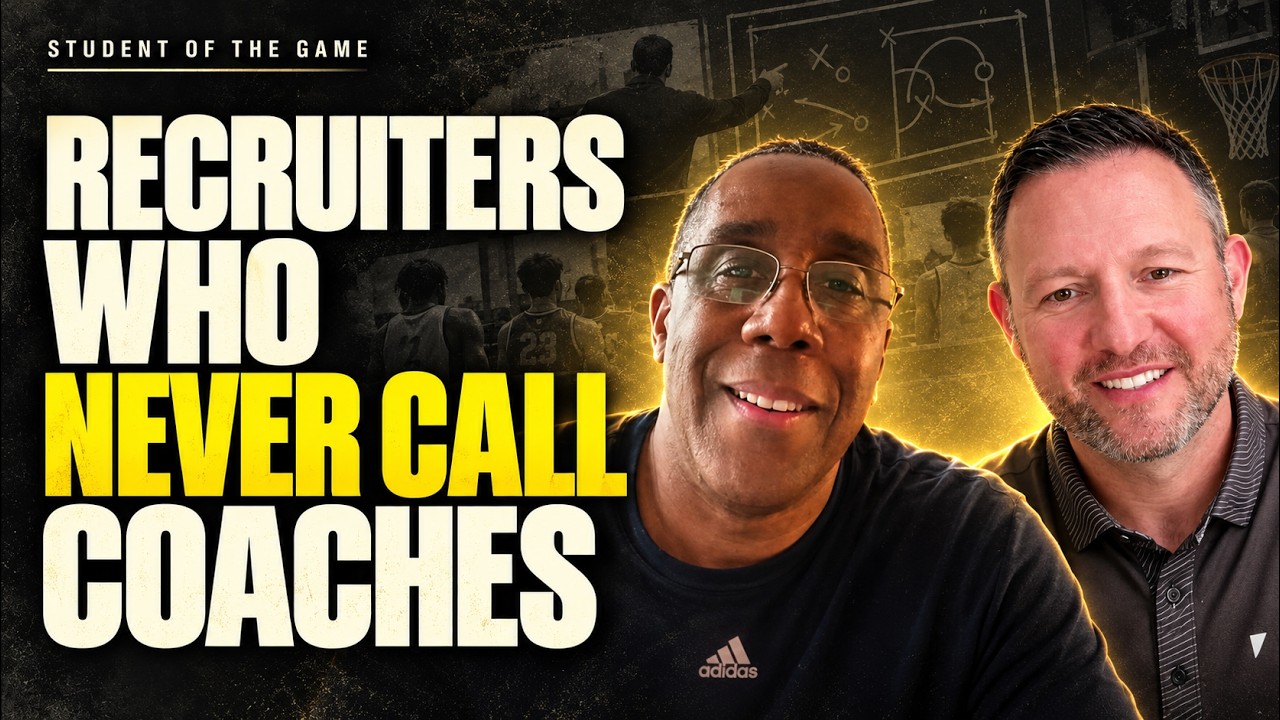
▶ Listen to the full episode
You Only Need One: Dr. Enzley Mitchell on Access, Clarity, and the College Recruiting Playbook, on Student of the Game.
Work with the Noll Team
Ready to make your move?
Since 2003, Noll Team Real Estate has been helping people in the Fort Wayne area find the freedom to live the lifestyle they want. Tell us where you are headed and we will build the plan around your life.